Your Dog's First Trip to the Dog Park: A Step-by-Step Guide
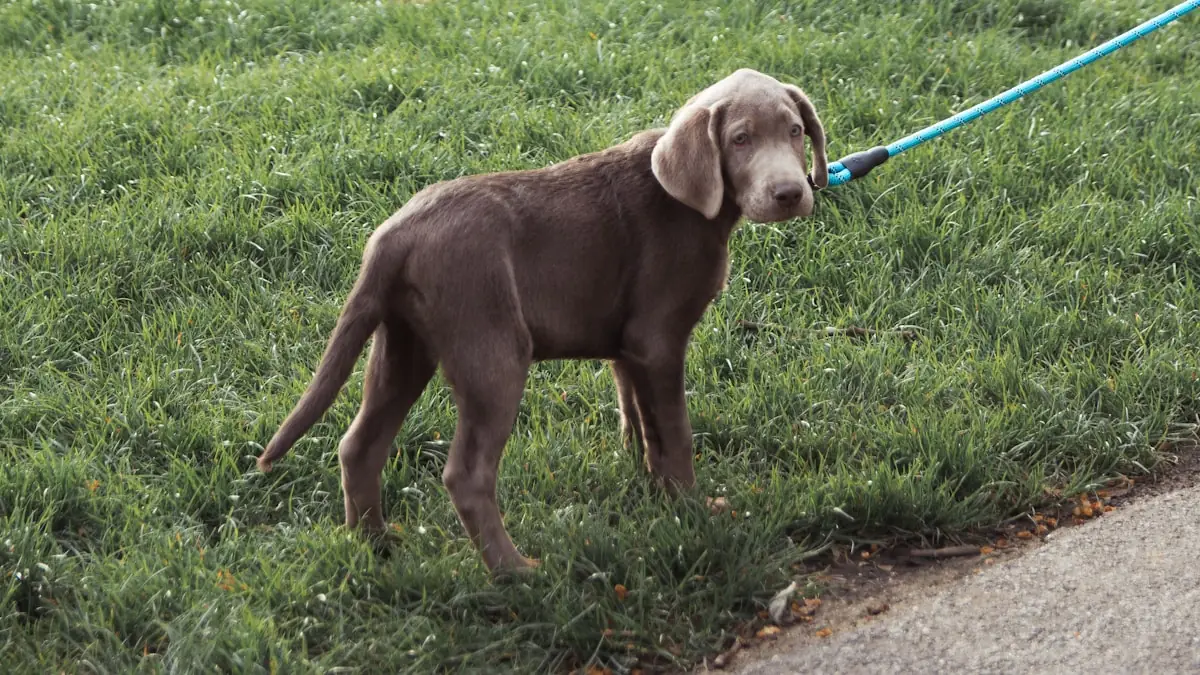
Your dog's first time at a dog park doesn't have to be a leap into a chaotic scrum of strange dogs. The owners whose pups have the best first visit aren't lucky, they're prepared: they scouted the park, picked an off-peak hour, and knew exactly what to do at the gate.
This is that game plan, broken into the order you'll actually do it, so both of you walk in calm and walk out wanting to come back.
Before you go: is your dog (and their shots) actually ready?
The dog park is the wrong place for a half-vaccinated puppy. The American Kennel Club is direct about it: puppies younger than four months who haven't had all their vaccinations shouldn't go to a dog park, and any dog that isn't up to date on shots should stay home. The AKC specifically recommends that dogs spending time in parks be vaccinated for bordetella, leptospirosis, and canine influenza on top of their core vaccines. The four-month line is really about complete immunity, not a magic birthday, so the honest question is whether your dog's vaccination course is finished, not just whether they're old enough.
There's a real reason to take this seriously. A study of dog feces in Calgary city parks found parasites in 50% of fecal samples, including Giardia in 25% and Cryptosporidium in 15%. The ground at a busy park carries whatever the last few hundred dogs left behind, which is exactly why prevention matters before that first visit.
The American Veterinary Society of Animal Behavior threads a careful needle here. The first three months are the critical socialization window, and AVSAB wants puppies meeting the world early, but it also advises that visits to dog parks and other unsanitized, high-traffic areas frequented by dogs of unknown vaccination status should be avoided until a puppy's protection is further along. Translation: socialize early and often, just not at the off-leash park while your puppy is still building immunity. If your dog is on the younger end, our guide to when a puppy can go to the dog park walks through the timing in more detail.
Run this quick readiness check before you commit:
- Fully vaccinated, including bordetella, leptospirosis, and canine influenza
- On flea, tick, and heartworm prevention
- A workable temperament fit. Dog parks reward social, confident dogs. A shy, fearful, or reactive dog can be overwhelmed, and one bad first experience can make a dog wary of all dogs for a long time.
- Reliable basic recall. Your "come" should already work before you lean on it in a loud, distracting place.
And some dogs simply shouldn't be there on a given day: any dog that's sick or injured, and females in heat. Sit those visits out.
Step 1: Scout the park without your dog
Go once on your own first, or at least walk the perimeter before you bring your dog through the gate. You want to know the layout and the rhythm of the place before you're also managing a leash and a nervous first-timer.
Here's what to look for:
- Secure fencing. The public-health review of off-leash parks recommends a gated enclosure at least four feet high. Walk the line and check for gaps or dug-out spots under it.
- A double-gated entry, the small airlock between two gates that keeps dogs from bolting out as people come in.
- A separate small-dog area, shade, water, and waste-bag stations.
- The vibe of the regulars. Are owners watching their dogs, or are they parked on a bench buried in their phones? That tells you more about how safe the park runs than any sign does.
- The posted rules and local bylaws, so the expectations aren't a surprise once you arrive.
Rules vary a lot by city, and the fines for getting them wrong aren't trivial. If you're local, read up before your first trip: our Vancouver off-leash rules and etiquette guide covers the bylaws there, and the NYC off-leash hours explained guide covers how the city's courtesy-hours system works.
Step 2: Pick a quiet, off-peak time
If you do only one thing on this list, do this one. Vets and the AKC agree that an off-peak visit lets a dog acclimate without an overwhelming crowd, and VCA Animal Hospitals puts it plainly: avoid rush hour, because a new visitor is more at ease when the park isn't crowded.
The quiet windows are usually predictable:
- Early morning, before the commuter crowd builds
- Mid-day on a weekday, the calmest stretch most parks see
- Later evening, once the after-work rush has thinned out
The hard part is that "off-peak" is a guess until you get there. This is where seeing live check-ins helps: with Off Leash you can look at who's actually at a park right now before you load the dog into the car, instead of driving over and hoping. And if you do arrive to a packed, rowdy scene, the AKC's own advice is to leave if the park is too crowded. Coming back another day is a completely normal call, not a failure.
Step 3: What to pack (and what to leave in the car)
Pack light and pack for your dog, not for entertainment.
Bring:
- Your own water and a collapsible bowl. Communal bowls are a shared-germ problem given what's already living in park soil, so skip them.
- Poop bags, more than you think you'll need.
- A leash for entry and exit.
- A small first-aid kit in the car.
Leave behind: favorite toys and a pantry of treats. VCA warns that brandishing lots of toys and treats can create conflict among unfamiliar dogs, because high-value items trigger guarding. For the same reason, don't hand treats to other people's dogs. You don't know their allergies or their guarding triggers, and a stranger's hand full of food is a fast way to start a scuffle.
Going hands-free is the goal. You want your attention on the dogs, not on juggling gear.
Step 4: The entry-gate routine
The gate is where most first-visit mistakes happen, so slow down here.
Pause at the outer gate. If a pack rushes the fence to greet you, wait and let them lose interest before you go in. Walking a nervous dog straight into a wall of barking dogs sets the wrong tone.
Unclip the leash inside the airlock, before you step into the main area. The AKC is specific about this: unclip your dog's leash before allowing them inside so they don't feel trapped or vulnerable surrounded by off-leash dogs. A leashed dog among off-leash dogs can't move naturally, and that mismatch is a common flashpoint.
Let your dog set the pace. Don't drag them into the middle of the group. A confident sniff-and-explore is exactly what you want; let them choose when to engage.
Keep moving and stay near your dog. Don't park yourself at the entrance and let your dog drift across the field alone. Drifting along with them keeps you close enough to step in if you need to.
Step 5: Read the room (good play vs. trouble)
Once your dog is in, your job is to watch, not to socialize on your phone. Failing to actually supervise is the single most common dog-park safety lapse.
Green flags
Healthy play looks loose and wiggly, with lots of movement and brief pauses. The ASPCA notes that dogs often start with a play bow and follow up with exaggerated, loose, bouncy body movements, pausing frequently. Those built-in pauses are a good sign: they're how dogs check that everyone's still having fun. Two other things behaviorists watch for are role reversal (the dogs take turns chasing and being chased) and self-handicapping (a bigger dog flopping down or going easy so a smaller one can "win"). When you see give-and-take like that, the play is genuinely mutual.
Yellow and red flags
By contrast, a dog who goes stiff isn't interested in playing, and a dog who wrinkles the top of the muzzle and pulls the lips up to show the front teeth is signaling tension, not fun. Other things that should get you moving: one dog repeatedly pinning another, or relentlessly chasing a dog who's clearly trying to escape. The AKC says to step in if other dogs repeatedly roll your dog to the ground or relentlessly chase them.
Watch your own dog for stress, too. VCA lists telltale signs like yawning when not tired, shaking off when not wet, sniffing the ground or eating grass when a dog or person approaches, or simply avoiding other dogs and people. Any of those means your dog is asking for space.
If sorting play from real conflict still feels murky, that's normal, and it's worth getting good at. Our deeper guide on reading dog body language for play vs. fight breaks down the exact postures to trust.
Step 6: Keep it short and know when to leave
End the first visit on a high note, before your dog runs out of gas. Roughly 30 minutes or less is plenty for a first trip; a tired, overstimulated dog is more likely to get snappy and to leave with a sour memory of the place.
Leave early, without hesitation, if:
- Play turns rough and won't settle
- Your dog is being bullied and can't get a break
- Your dog comes back to you, or waits by the gate, asking to go
When it's time, calmly clip the leash on and walk out. Don't force more "fun" on a dog that's done. Short, successful, low-stress visits are what turn a nervous first-timer into a confident regular, and that's the whole point.
A good first visit isn't really about one perfect afternoon. It's the start of a pattern. If you want the bigger picture on why this is worth the effort, are dog parks good for dogs lays out what the research actually says. Get the first few trips right, keep them short and positive, and the park becomes one of the best parts of your dog's week.
Sources
- Should You Take Your Dog to a Dog Park? — American Kennel Club
- AVSAB Position Statement on Puppy Socialization — American Veterinary Society of Animal Behavior
- Public Health Considerations Associated with the Location and Operation of Off-Leash Dog Parks — International Journal of Environmental Research and Public Health (PMC / NIH)
- Canine Body Language: Reading Canine Body Postures — ASPCA
- Proper Etiquette at the Dog Park — VCA Animal Hospitals